Rigging & Accessories
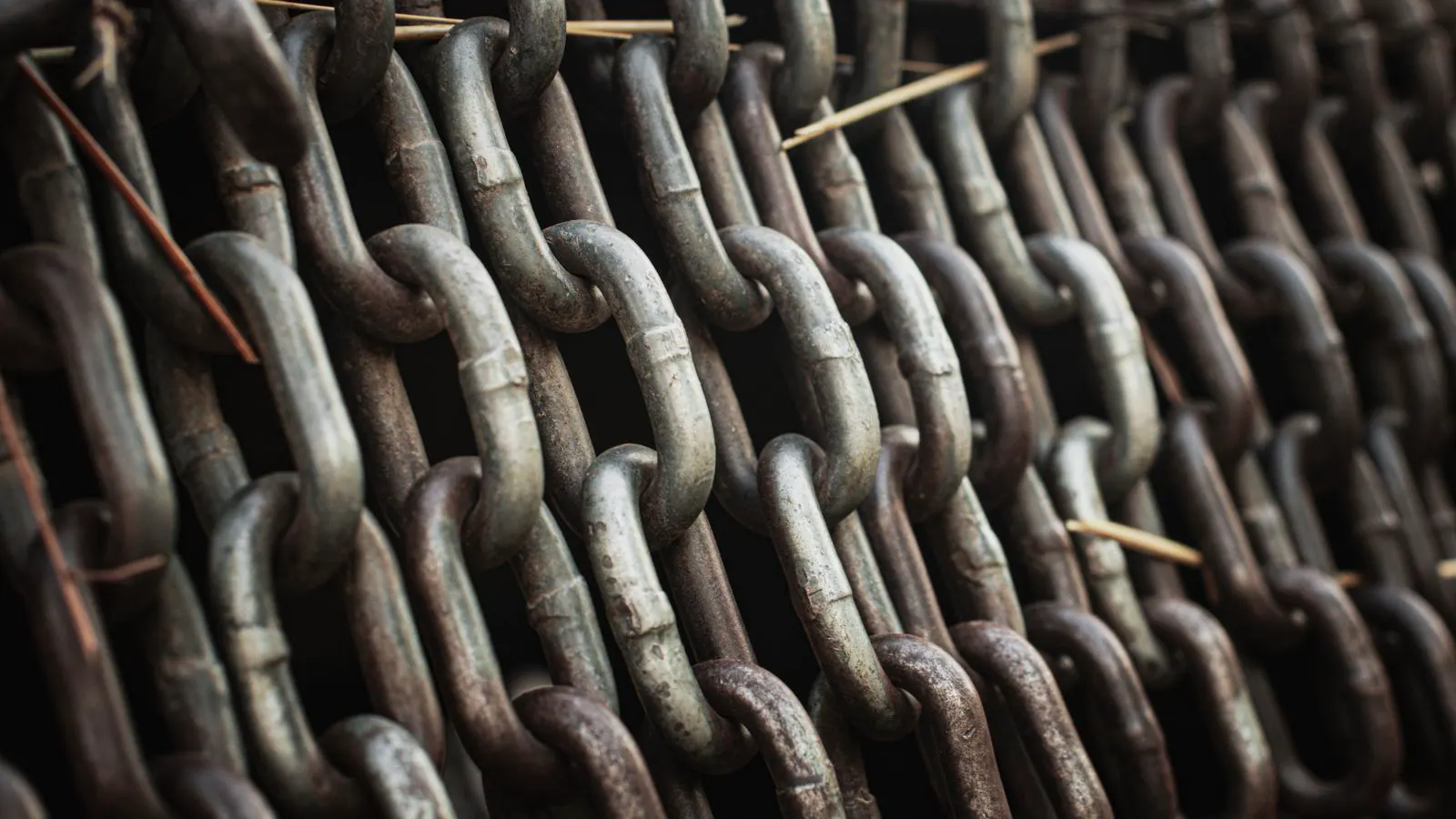
How to Select the Right Chain Sling for Heavy Loads
Choose a chain sling by matching its rated capacity to the load weight, verifying the hook type fits your rigging, and calculating the angle effect on working load. A
Practical specs, supplier checks, and safety guidance for crane buyers.
Start with the stage of the sourcing process you are in.
Explore beam types, capacities, and travel options for single and double main overhead crane systems.
Compare portal and rail-mounted gantry cranes for shipyards, container yards, and heavy lifting areas.
Review electric, chain, and cable hoists along with winch types for vertical and horizontal lifting tasks.
Learn about slings, shackles, spreaders, and hooks used to secure loads during safe crane operations.
Check safety devices, inspection checklists, and maintenance practices to keep lifting equipment compliant and reliable.
Understand factors affecting crane pricing, budgeting for installation, and typical manufacturing and delivery timelines.
Compare supplier capabilities, certifications, and support to find reliable partners for crane and hoist procurement.
Choose a chain sling by matching its rated capacity to the load weight, verifying the hook type fits your rigging, and calculating the angle effect on working load. A

Single beam overhead cranes usually cost less and ship faster than double beam units, provided the load fits the design. Double beam systems handle heavier loads but
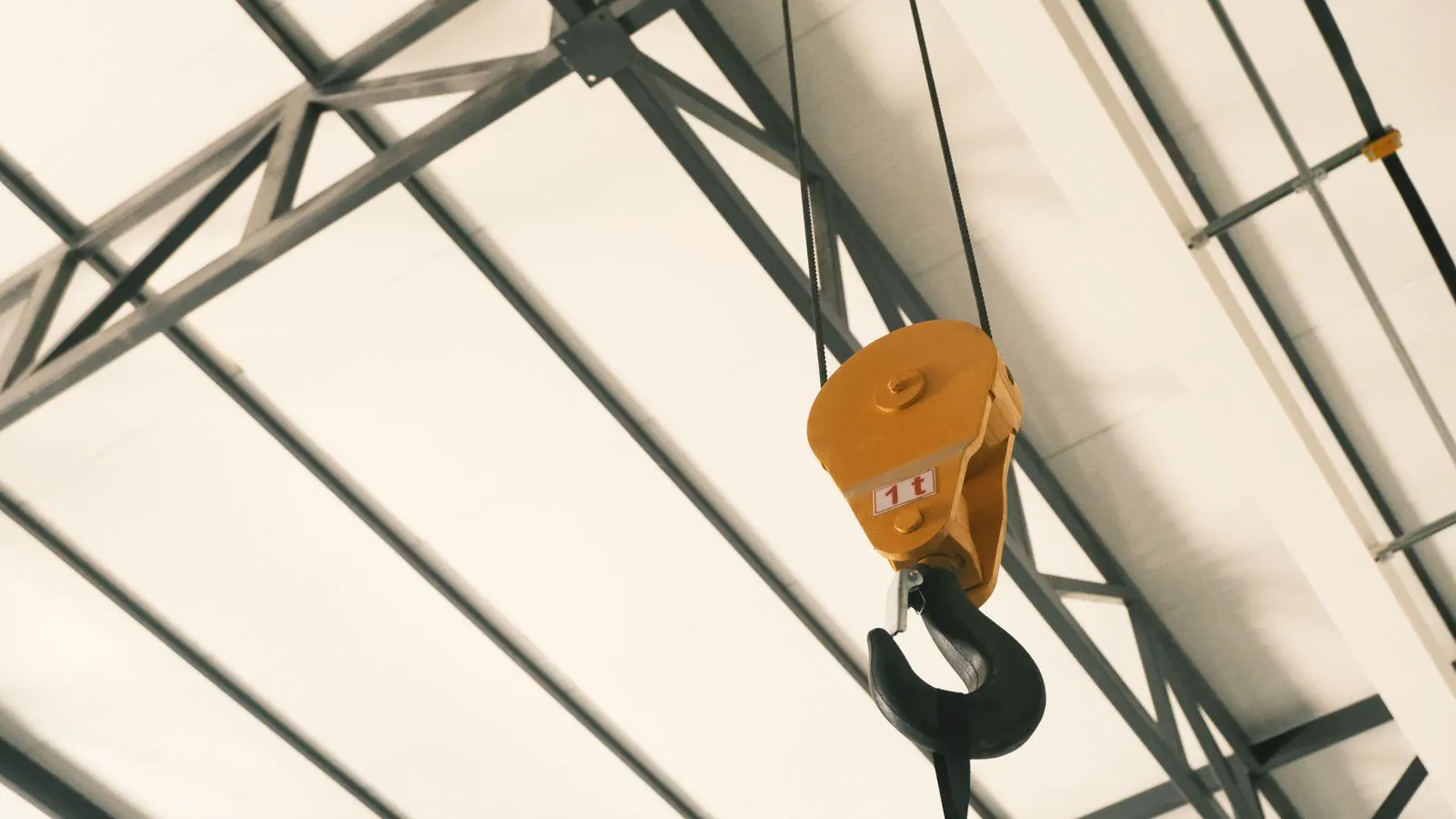
Future overhead crane safety devices will focus on digital inspection, advanced anti-collision tech, and stricter lifting equipment standards. This guide outlines six
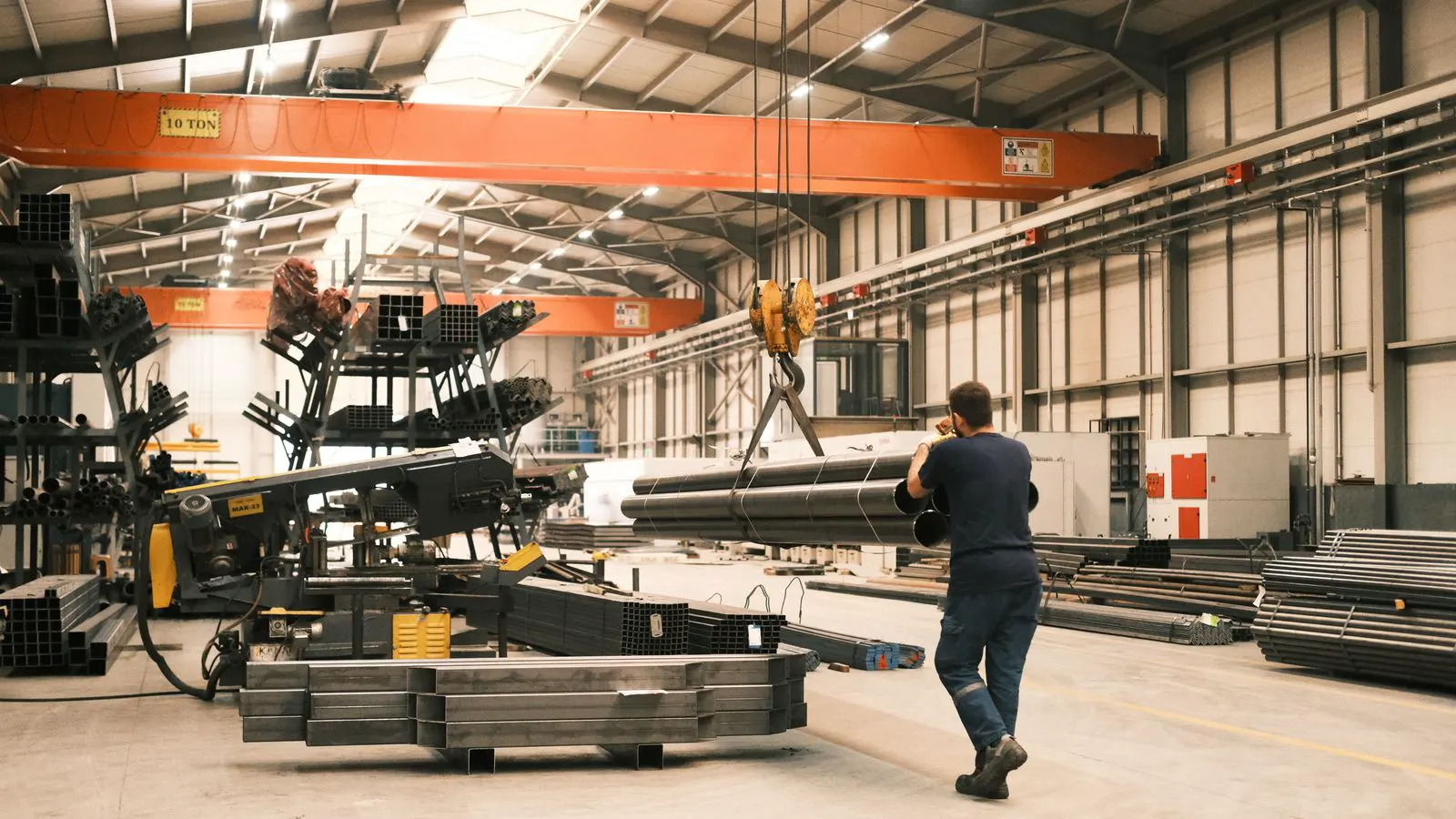
Correct chain hoist selection depends on matching the load rating, lift height, and duty cycle to your specific material handling requirements. Verify the chain size
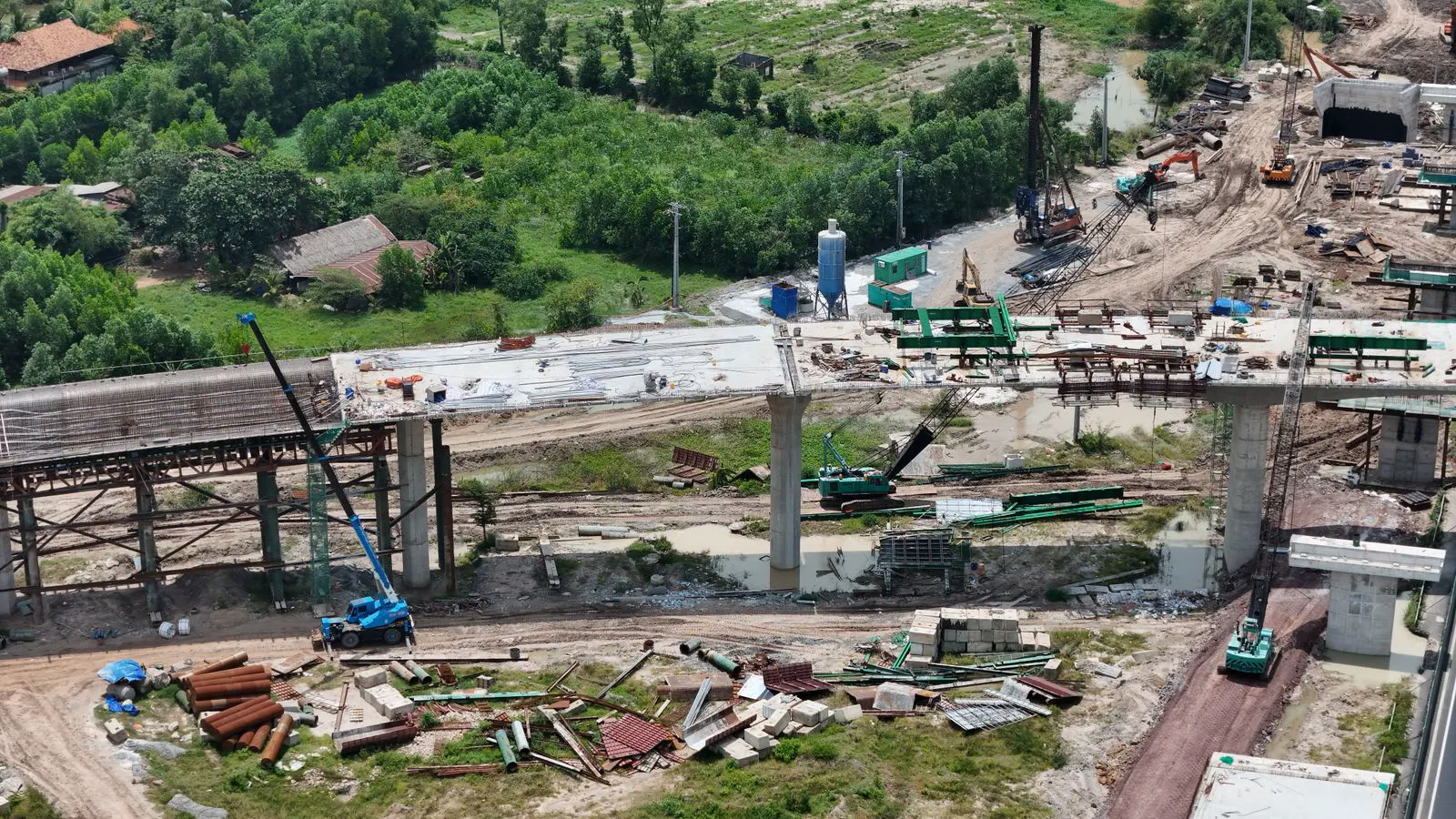
A custom bridge crane price is driven by load ratings, span length, structural steel, and hoist specifications. Understanding these crane cost factors helps buyers
Portal and rail gantries differ in capital outlay, installation speed, and maintenance. A clear comparison of total cost of ownership requires tracking structural costs
This site covers the technical and commercial decisions behind selecting overhead, gantry, and hoisting equipment. It addresses load ratings, structural materials, control systems, and the documentation buyers need to verify a supplier's output.
Readers find practical comparisons of hoist and winch functions, rigging components, and inspection routines. The content focuses on what affects cost, lead time, and long-term maintenance, without vendor promotion.
A trolley hoist runs on a rail system and moves loads horizontally over a span. A jib hoist is mounted on a rotating arm and typically handles smaller loads in a fixed radius.
Calculate the maximum load weight, add the weight of the lifting gear, and apply the appropriate safety factor. Check the manufacturer's load chart for specific configurations and boom angles.
Gantry cranes consist of two parallel rails, a transverse beam, a trolley, and a hoist. Structural steel and the rail type significantly affect the load capacity and maintenance requirements.
Inspections are typically required daily by operators and at regular intervals by qualified personnel. Frequency depends on the duty cycle, local regulations, and the condition of the equipment.
Lead times depend on design complexity, material availability, electrical system specifications, and factory capacity. Standard models often have shorter delivery times than custom-engineered units.
Review the supplier's track record with similar projects, check their quality control processes, and verify references from current clients. Request sample inspection reports and maintenance records to assess their standards.