How to Select the Right Chain Sling for Heavy Loads
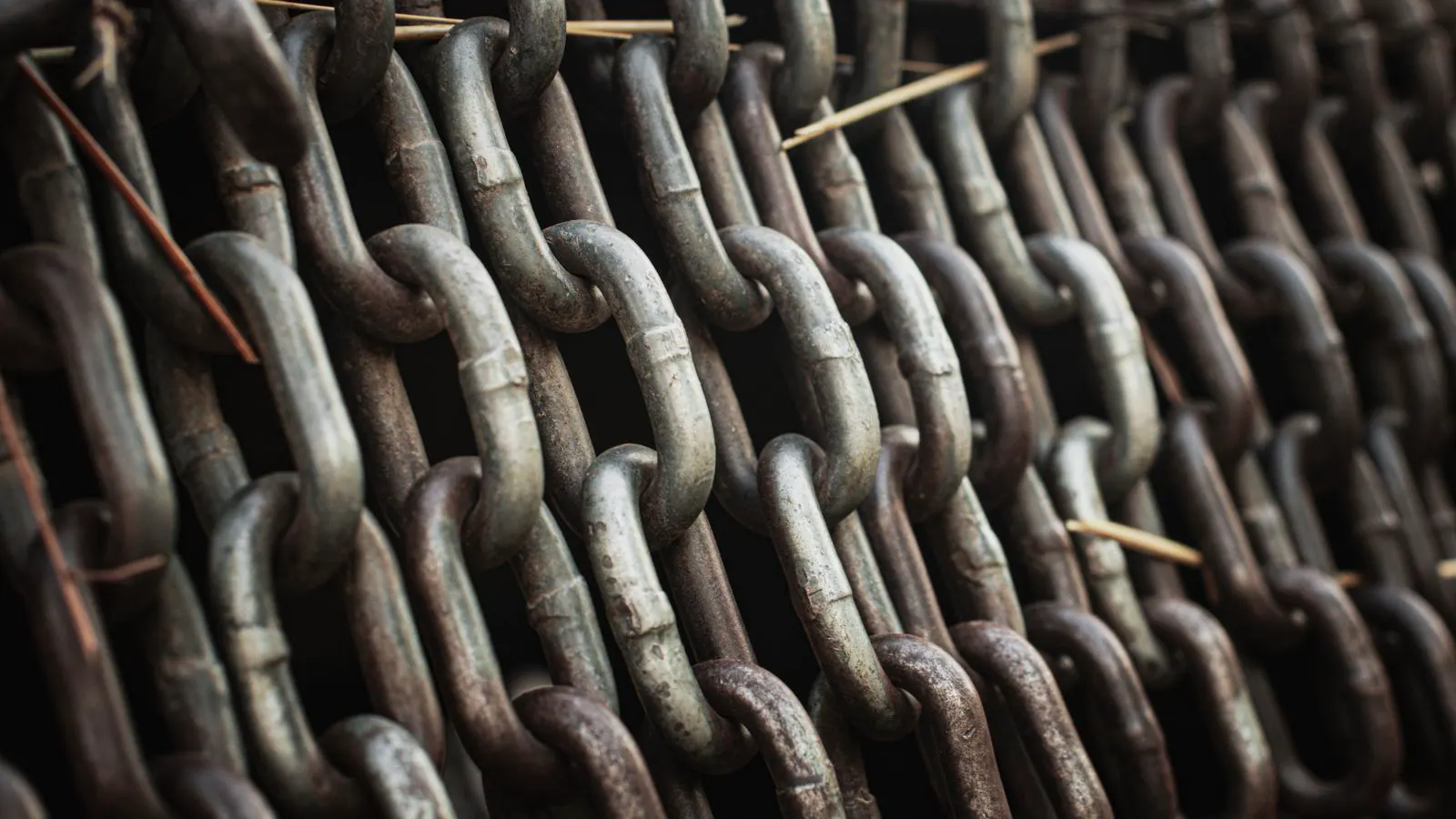
Choose a chain sling by matching its rated capacity to the load weight, verifying the hook type fits your rigging, and calculating the angle effect on working load. A correct chain sling prevents slippage and maintains structural integrity during heavy material handling.
- Match the chain sling working load limit to the actual load weight plus rigging components.
- Never exceed a 60 degree angle from vertical without recalculating the required capacity.
- Inspect every link for deformation, wear, or heat discoloration before every shift.
- Use the correct hook type, such as open, closed, or swivel, based on the load shape and environment.
- Verify all documents, including test certificates, before putting a new chain sling into service.
Before You Start: Know Your Load
A chain sling is a short, flexible lifting device made of interlinked metal links. It connects a hook to a load. When selecting one, you must know the exact weight of the item. Do not guess. Weigh the load if possible. If you cannot weigh it, use the manufacturer data or a conservative estimate. A scale reading is far better than a rough estimate. If the scale is unavailable, ask the shipper for the gross weight including packaging. If that data is missing, assume the load is heavier than it appears.
You also need to know the material. Steel, concrete, or glass all require different handling. A chain sling works well for dense, heavy objects. It may not suit soft goods that need a protective pad. Check the load dimensions as well. The chain must clear the object without rubbing against sharp edges. Measure the width, height, and depth. Determine where the center of gravity sits. If the load is unbalanced, the chain will pull sideways during the lift. This creates uneven tension on the links. You may need two slings or a specialized rigging plan.
Step 1: Determine the Working Load Limit
The first decision is the working load limit, or WLL. This is the maximum safe weight the chain sling can carry under ideal conditions. Ideal conditions mean a vertical lift with a 0 degree angle.
Do not select a chain sling based on its breaking strength. The WLL is derived from that strength with a safety factor. Always buy and use the WLL. If your load weighs 2,000 kg, you need a chain sling with a WLL of at least 2,000 kg. In practice, you add a margin for rigging hardware. If you use a shackle or a spreader bar, those components have their own limits. The entire assembly must be rated for the total tension. Check the shackle WLL. Check the spreader bar WLL. The weakest component in the chain determines the safety of the lift. Do not rely on a sling with a higher WLL to compensate for a shackle with a lower one.
Step 2: Check the Chain Grade
Chain slings come in different grades. The grade indicates the strength of the steel alloy used. Higher grades allow for thinner links and lower weight for the same capacity.
For heavy industrial loads, high strength steel is common. These chains resist stretching. Lower grades are heavier but may be cheaper. The choice depends on your specific weight and size limits. A heavy load with a small hook opening requires a high grade chain to keep the sling manageable. If the hook opening is 50 mm, a low grade chain may be too bulky to fit through the loop. A high grade chain of the same diameter will be lighter and easier to handle. Check the link size as well. Larger links reduce the number of connections needed, but they increase the weight per meter. Smaller links create a tighter fit but add more friction in the rigging.
Step 3: Select the Hook Type
The hook at the end of a chain sling connects to the load. There are three main types. The open hook allows the load to be attached and released easily. The closed hook has a safety latch that prevents the load from falling if the connection slips. The swivel hook allows the chain to rotate, which prevents twisting.
For most heavy static loads, a closed hook is safer. It adds a layer of protection. For dynamic lifting where the load rotates, a swivel hook is necessary to prevent the chain from kinking. An open hook is often used with a separate shackle or attachment point. If you use an open hook with a shackle, ensure the shackle pin is correctly seated. A loose pin can slip out if the load shifts. A closed hook with a broken latch is dangerous. The latch must move freely. If it sticks, replace the hook. A swivel hook adds a small amount of friction. For very high tension lifts, this friction can be negligible, but it is worth considering.
Step 4: Account for the Lifting Angle
This is where most selection errors happen. The WLL applies to a vertical lift. As you lift at an angle, the tension in the chain increases dramatically.
At 60 degrees from vertical, the effective load doubles. At 75 degrees, it nearly triples. If your load is narrow and your crane is far away, you must use a sling with a higher WLL than the load weight.
Use a tension multiplier. For every 10 degree increase in angle, the tension rises. If you lift at 60 degrees with a 2,000 kg load, you need a chain sling rated for 4,000 kg. This is a simple calculation, but it saves lives. Measure the angle with an inclinometer app or a physical protractor. Do not estimate by eye. A 50 degree angle is not the same as a 60 degree angle. The difference in tension is significant. If the angle changes during the lift, the tension changes in real time. Plan for the worst-case angle. If the crane swings, the angle will increase.
Step 5: Verify the Length
The length of a chain sling affects the angle. A longer sling allows you to keep the angle closer to vertical. A shorter sling forces a wider angle if the load is wide.
Match the length to the lifting geometry. Too short, and you cannot attach the chain properly. Too long, and the load may swing or hang awkwardly. Standard lengths exist, but custom lengths are available for specific rigging setups. Calculate the required length based on the crane radius and the load width. If the load is 3 meters wide and the crane is 5 meters away, the sling length must be sufficient to keep the angle manageable. If the sling is too short, you will pull the load into the crane or create excessive tension. If the sling is too long, the load will dangle and sway in the wind. A sway creates side loads on the hook and the chain. These side loads can cause the chain to rub against itself or the load.
Step 6: Check the Material Compatibility
Chain slings are made of steel. They are durable but can damage the load if not protected. If the load is painted, polished, or made of plastic, the chain links may scratch the surface.
Use a padded chain sling if the load is sensitive. A padded sling has fabric or rubber sleeves over the links. This adds cost but protects the asset. For heavy steel or concrete, standard steel chain is usually fine. Check the surface finish of the load. A matte finish is less likely to show scratches than a glossy one. If the load is a finished machine, use a padded sling. If the load is a raw steel beam, a standard sling is fine. Also consider the temperature. Steel chain in cold weather becomes brittle. In extreme cold, the links may crack under sudden shock. Check the ambient temperature. If it is below freezing, use a sling rated for low temperatures.
Step 7: Review the Documentation
Every new chain sling must come with a test certificate. This paper proves the strength was verified. Keep it with your rigging records.
When inspecting, look for the markings. The WLL, grade, and length should be stamped on the chain or a tag. If the tag is missing or faded, remove the sling from service. You cannot verify its safety without clear data. The certificate should include the manufacturer name, the serial number, the date of manufacture, and the test results. If the certificate is lost, contact the manufacturer for a duplicate. If you cannot verify the sling, do not use it. A sling without documentation is a liability. Keep a log of all inspections. Record the date, the inspector, and the findings. If a sling passes inspection, mark it with a date code. If it fails, tag it with a red tag and remove it from the site.
| Parameter | Vertical Lift (0 deg) | 30 Degree Angle | 60 Degree Angle |
|---|---|---|---|
| Tension Multiplier | 1.0 | 1.15 | 2.0 |
| Required WLL for 100kg Load | 100 kg | 115 kg | 200 kg |
| Risk Level | Low | Low | High |
| Inspection Focus | Standard | Standard | Critical |
Common Mistakes in Chain Sling Selection
The most common error is ignoring the angle. Engineers calculate the weight, forget the geometry, and select a sling that fails under tension.
Another mistake is using a damaged chain. One deformed link reduces the strength of the whole assembly. If a link is stretched, the load shifts to the next link, creating a chain reaction of failure. Inspect the links carefully. Look for elongation, bending, or cracking. If a link is stretched by more than 5 percent of its original length, remove the sling from service. Do not try to bend it back into shape. Metal fatigue is invisible. A sling that looks fine may be structurally compromised.
Do not mix chain grades. If you join two different chains, the weakest link dictates the capacity. This is usually not allowed in professional rigging. If you must join two chains, use a certified coupling. Ensure the coupling is rated for the total tension. A cheap coupling can fail before the chain does. Keep the rigging simple. The fewer components, the fewer points of failure.
Final Verification Step
Before the lift, perform a visual check. Walk around the load. Look at the chain from every angle.
Check the hooks. Are they seated properly? Is the latch closed? Look at the links. Are they twisted? Is there any rust? Rust is not always dangerous. Surface rust is cosmetic. Deep pitting is structural. If the links are pitted, the metal is thin. Remove the sling from service.
Confirm the WLL matches the load weight and the angle multiplier. If you lift at 60 degrees with a 1 tonne load, your chain must be rated for 2 tonnes. Write the plan. Record the sling serial number, the load weight, and the angle. If the lift goes wrong, this paper is your defense. It proves you did the math. Keep the plan with the crane operator. If the crane operator asks a question, have the answer ready. A clear plan prevents confusion.
A chain sling is a simple tool. It does not think. It only holds what it is rated to hold. Select it based on facts, not assumptions. The weight, the angle, and the condition of the links determine safety. Get these three things right, and the lift is secure.
Frequently asked questions
Can I use a chain sling for a load that is slightly heavier than its WLL?
No. The working load limit is the maximum safe weight. Exceeding it risks catastrophic failure. Select a new sling with a higher rating.
How do I know if a chain sling is damaged?
Look for stretched links, sharp bends, or heat discoloration. Also check for cracks or wear at the hook. If any damage is found, remove the sling from service immediately.
What is the difference between a chain sling and a wire rope sling?
A chain sling is made of linked steel plates. A wire rope sling is a twisted bundle of wires. Wire rope is lighter and stiffer. Chain is more flexible and easier to inspect.
Do I need a certified rigger to use a chain sling?
Yes. Always follow your site safety rules. A certified rigger ensures the rigging plan is safe and the equipment is inspected correctly before the lift.
How often should I inspect a chain sling?
Inspect it before every use. Also perform a formal inspection at regular intervals based on your site policy or local regulations.